

Park tickets included with all tours!

Some places deserve your full attention. With park tickets included in every Iguazú tour, you’re free to focus on the roar of the falls, not logistics!

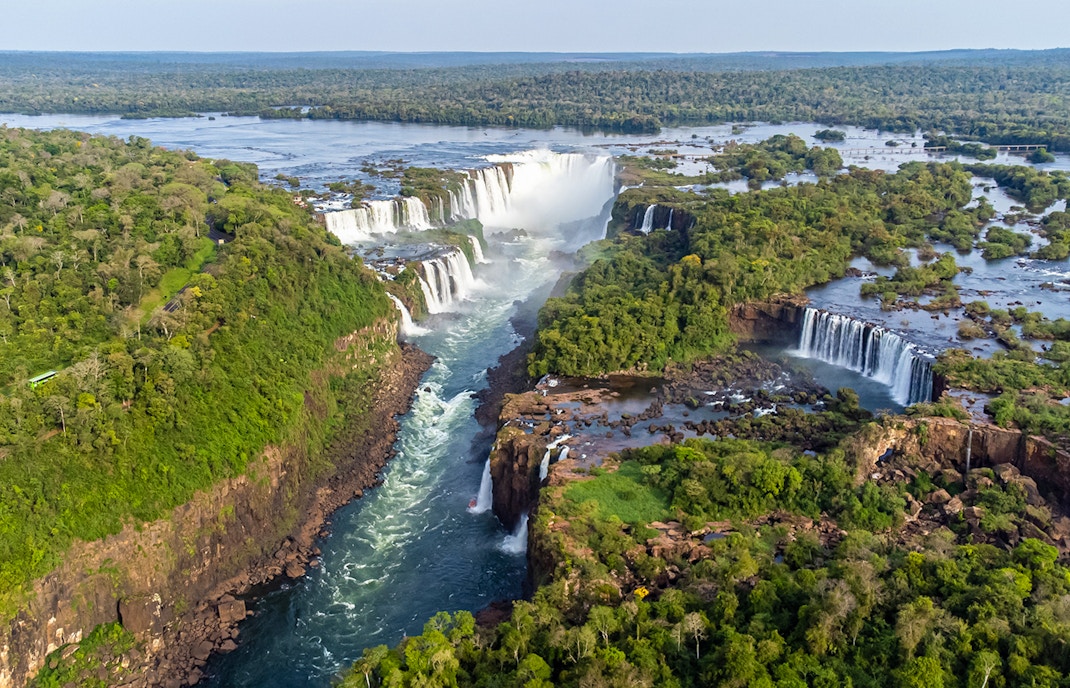
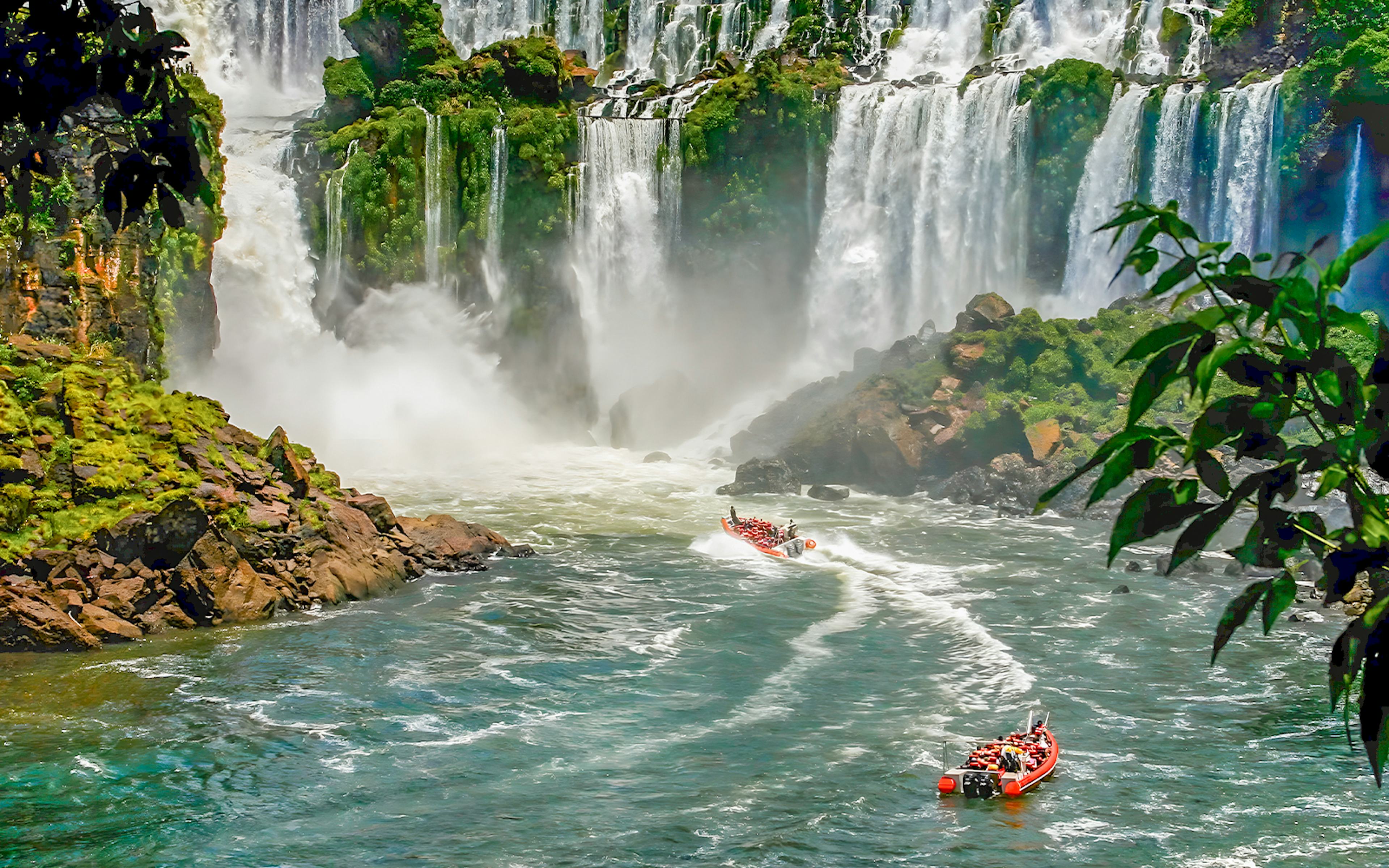
Iguazú Falls cascading over lush cliffs in Argentina.


Some places demand silence. Not because they are quiet but because words just don’t measure up. Iguazú Falls is one of them.

Picture this: 275+ waterfalls spanning 2.7 kilometers, with mist rising like ghostly waves. It's where Earth speaks in thunder. When Eleanor Roosevelt saw it, she simply muttered, "Poor Niagara."

Brazil offers sweeping drama, while Argentina offers an intimate roar. Instead of choosing between sunrise and sunset, why not have both? Just bring a spare shirt. These falls have a way of leaving you soaked… and speechless. How to get on an Iguazu Falls tour? Read below!

Why visit Iguazú Falls?

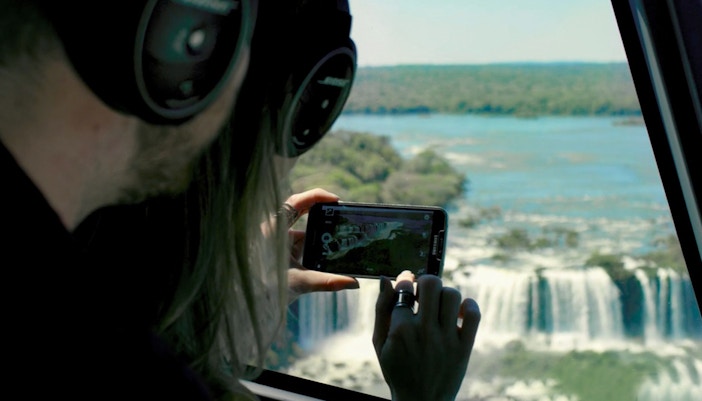
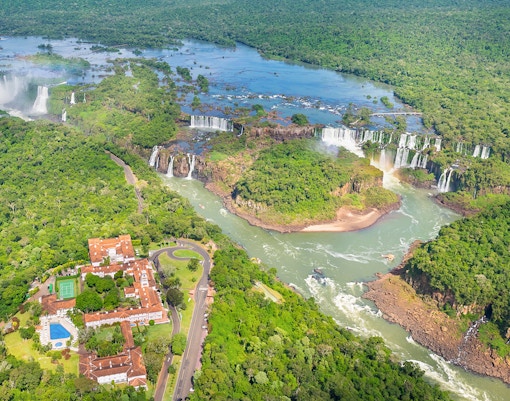
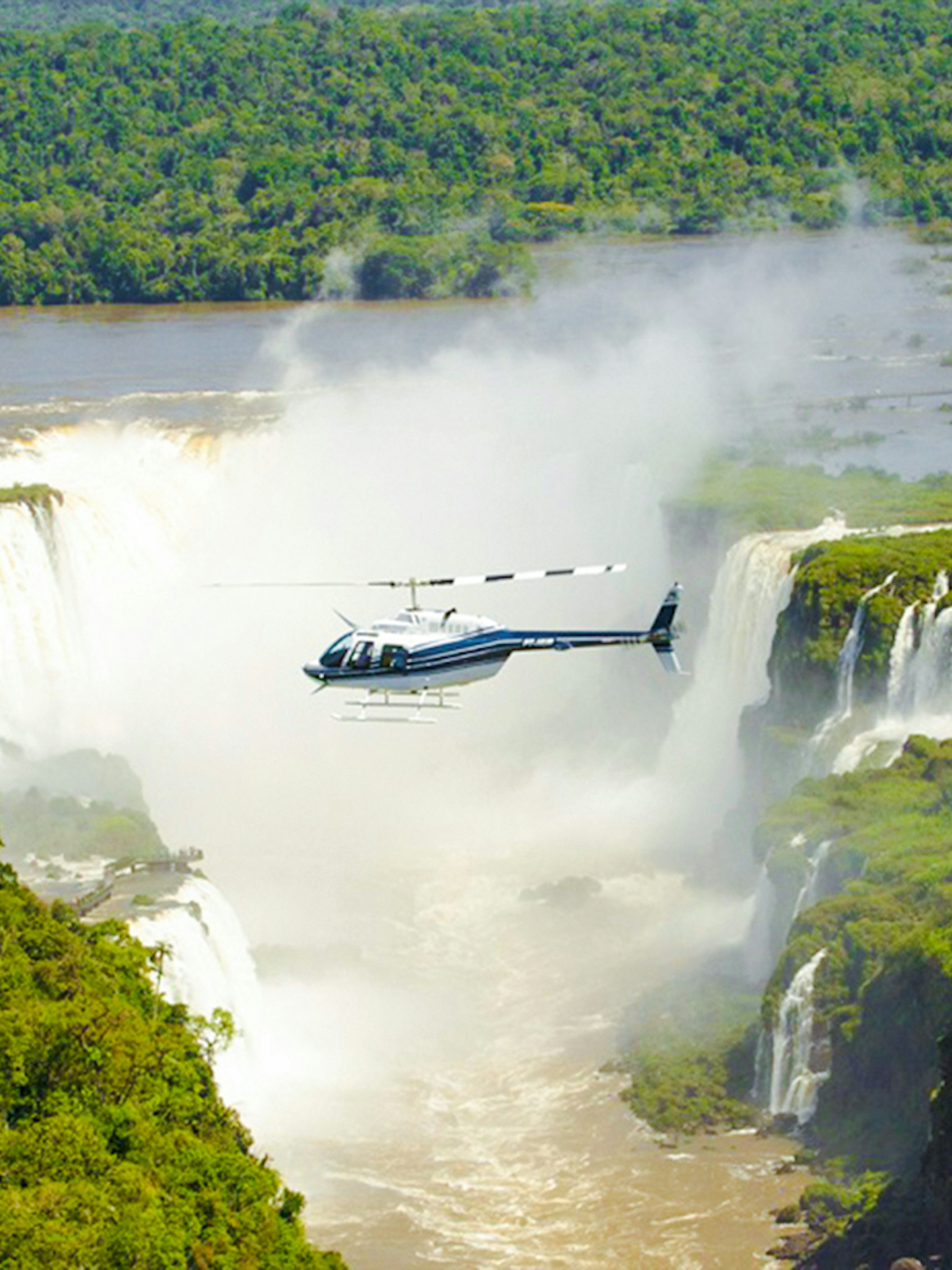
Helicopter flying over Iguazú Falls surrounded by lush greenery.
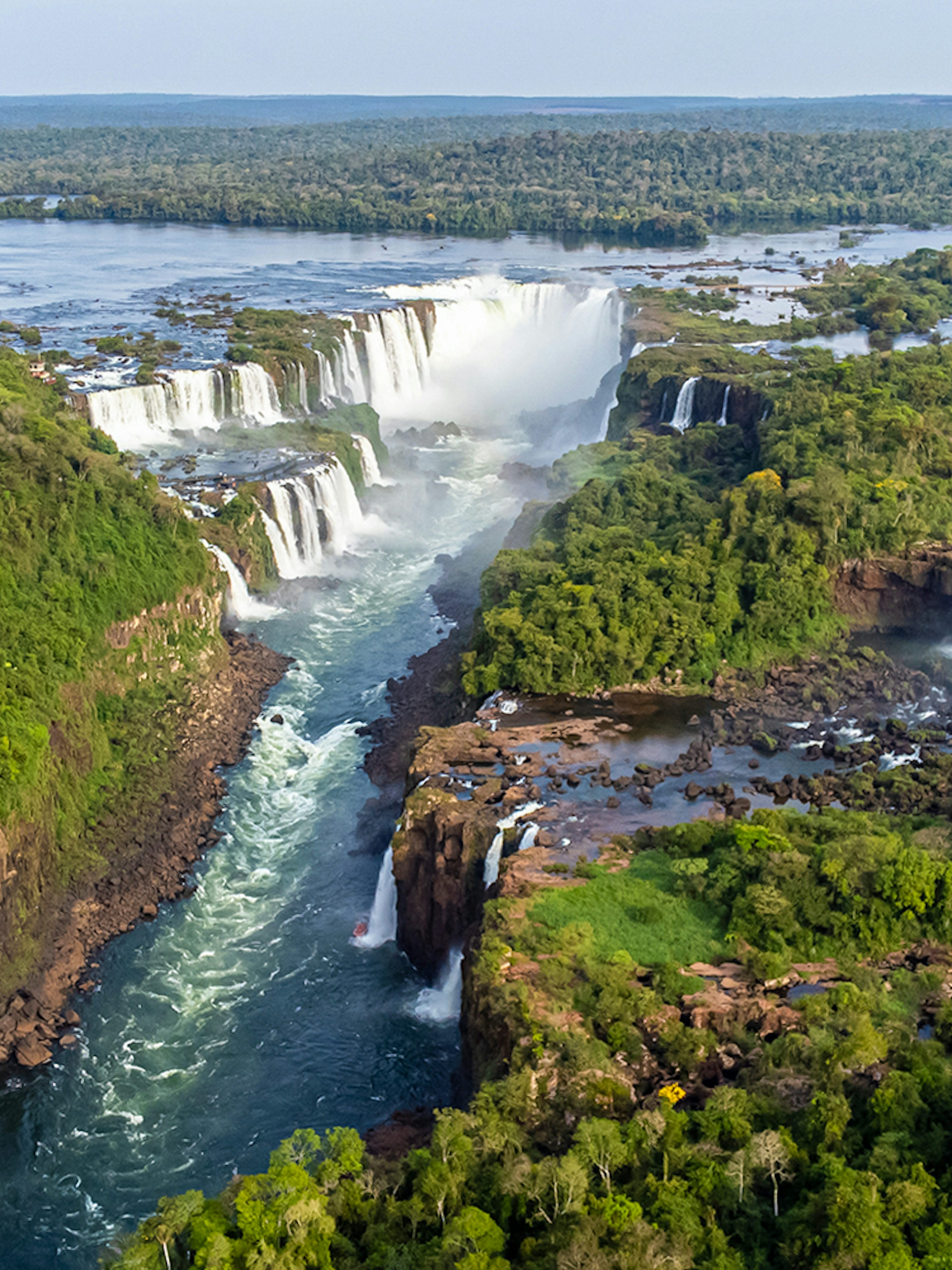
Iguazu Falls cascading over lush cliffs in Argentinian National Park.
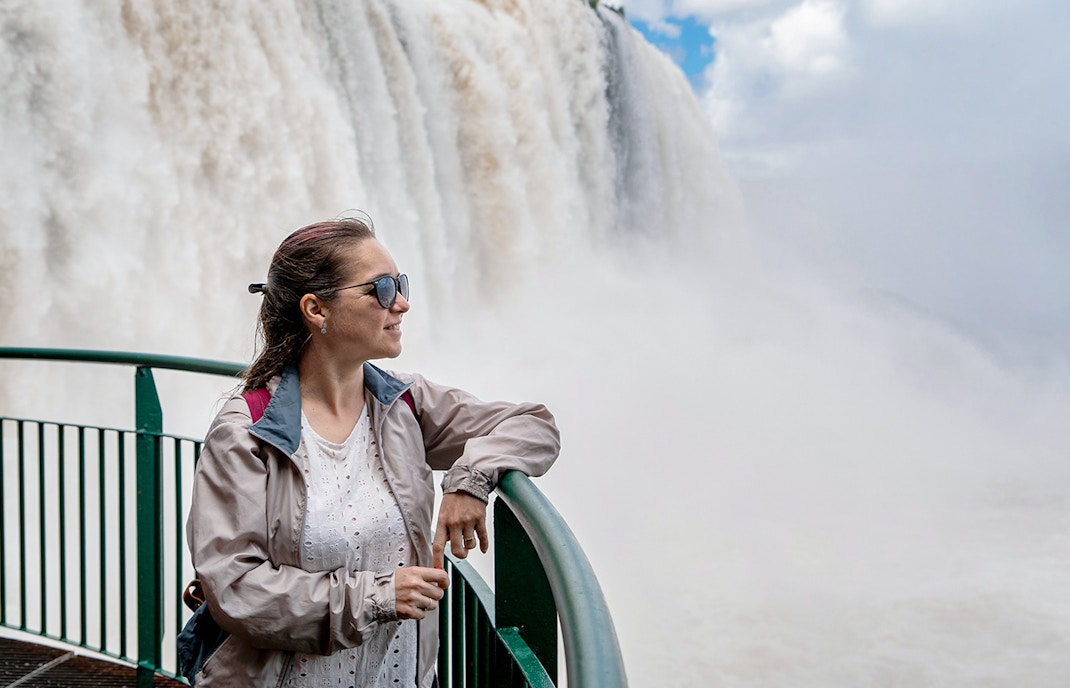
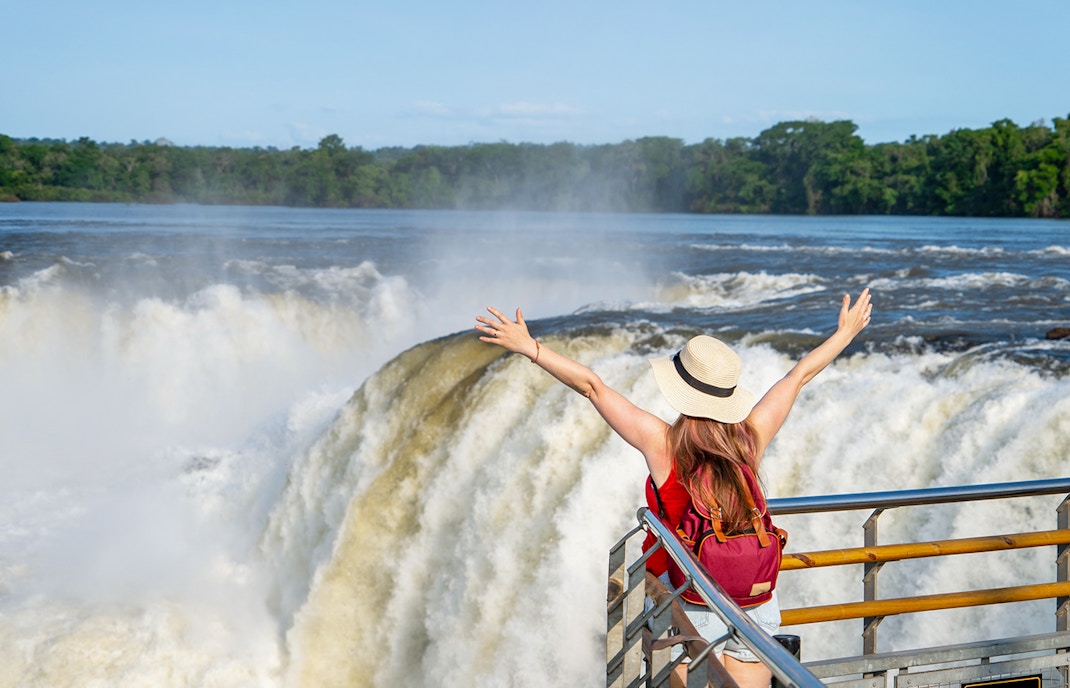
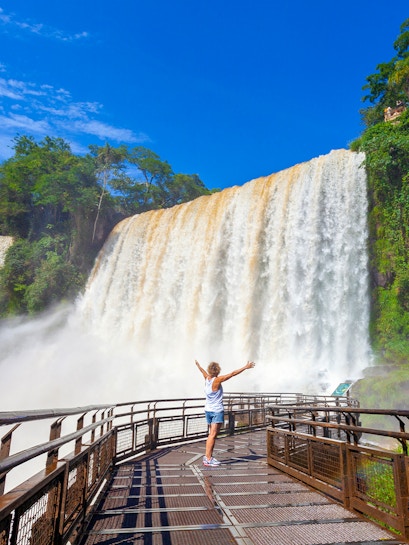
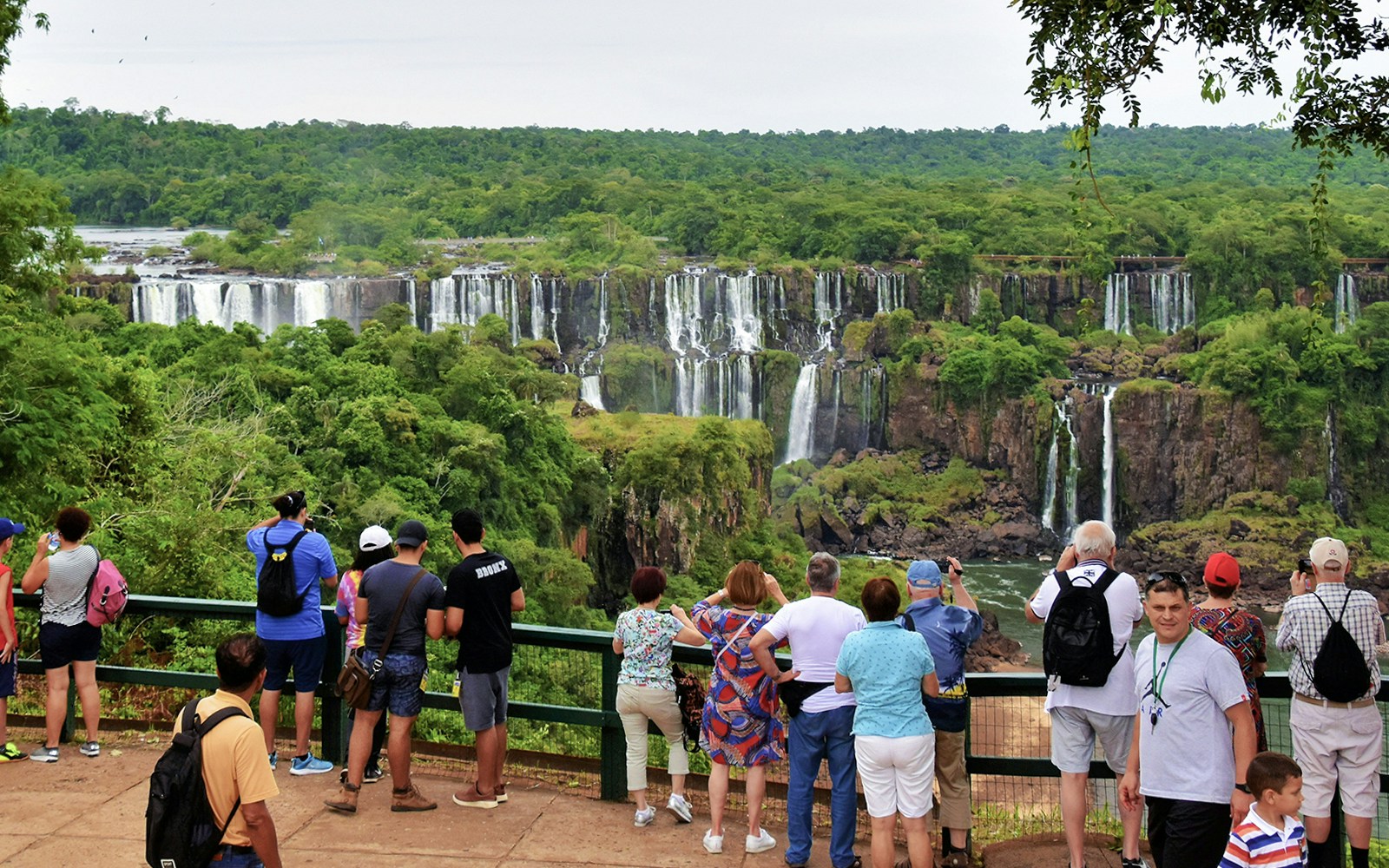
Visitor on a viewing platform at Iguazu Falls, Argentina, with cascading water in the background.
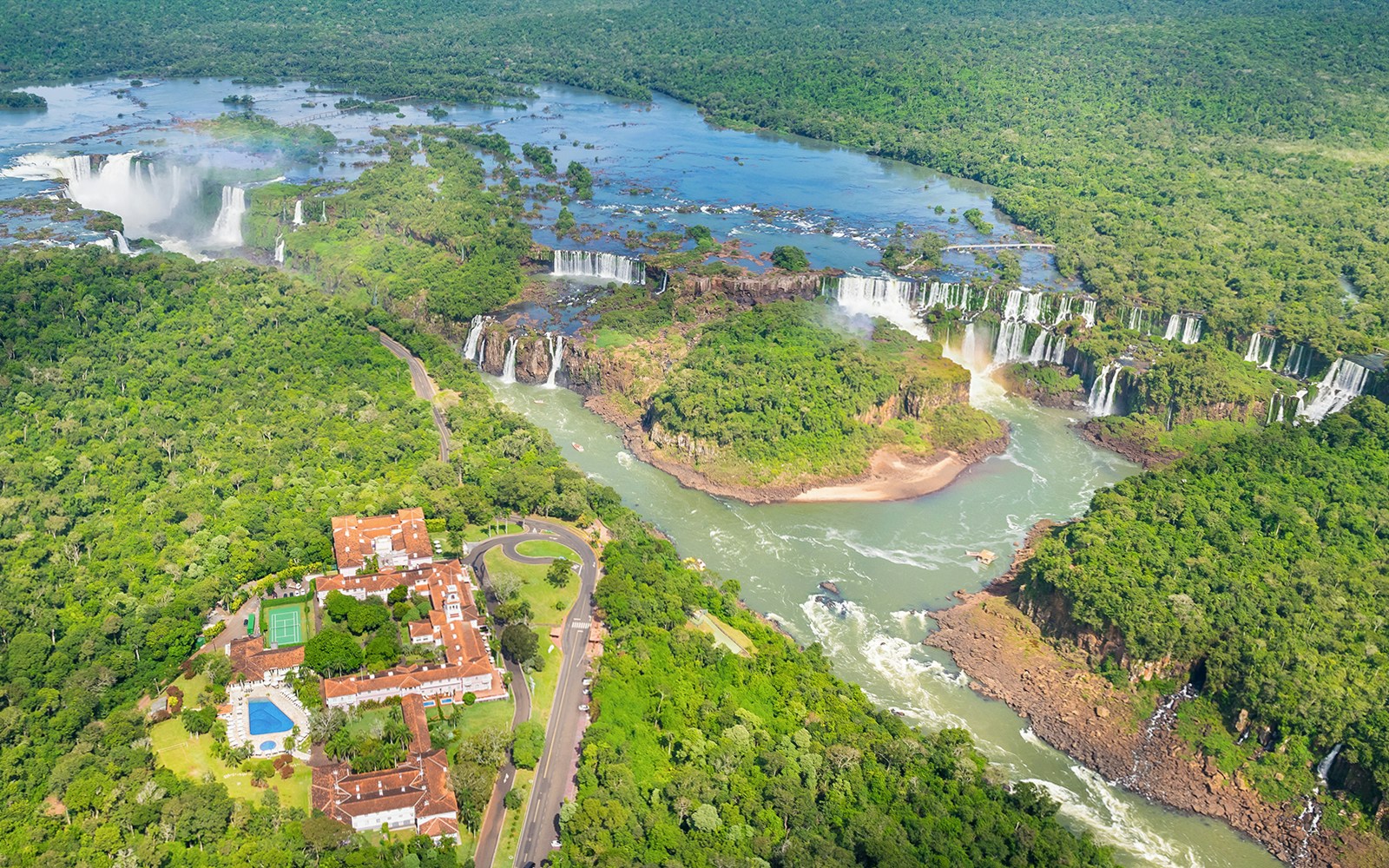
Aerial view of Iguazu Falls with rainbow, Argentina-Brazil border.
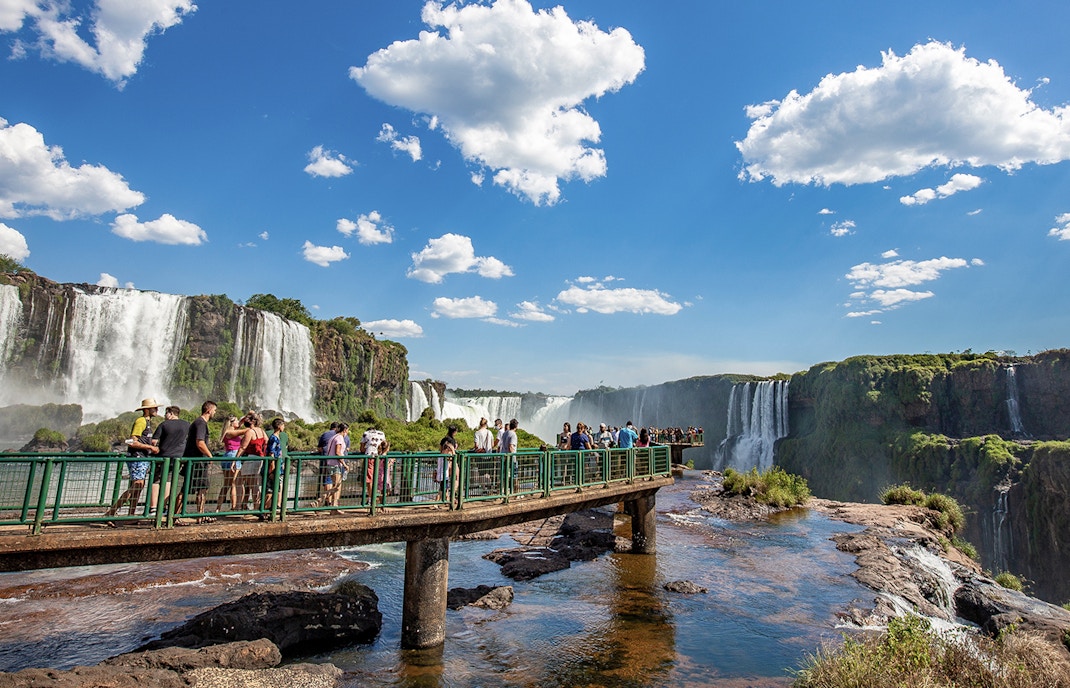
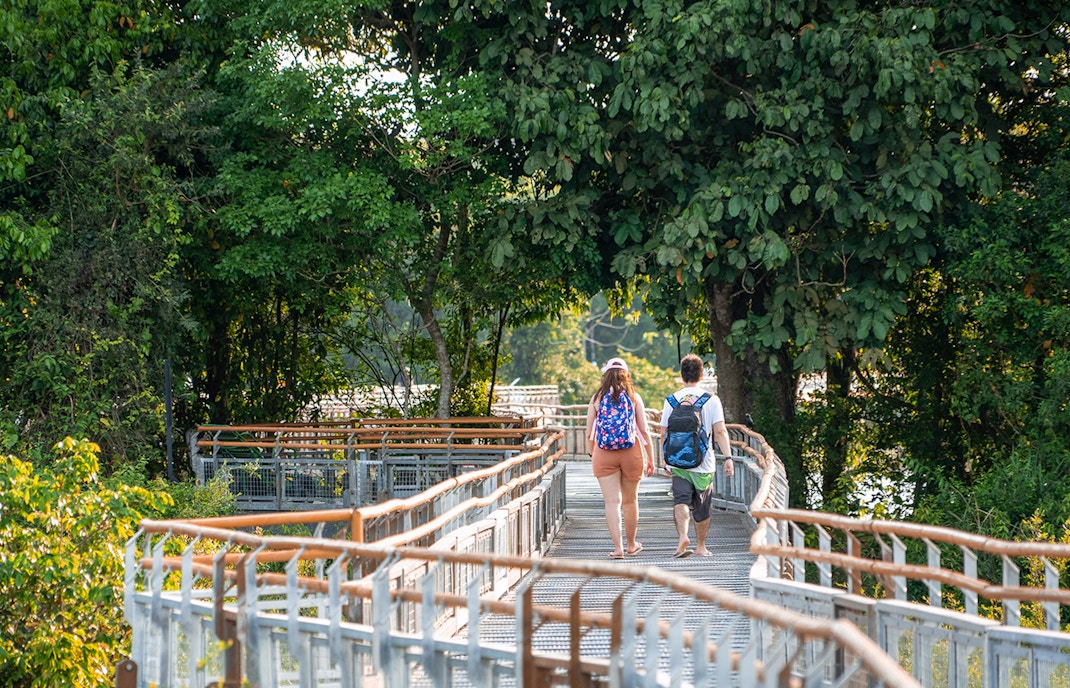
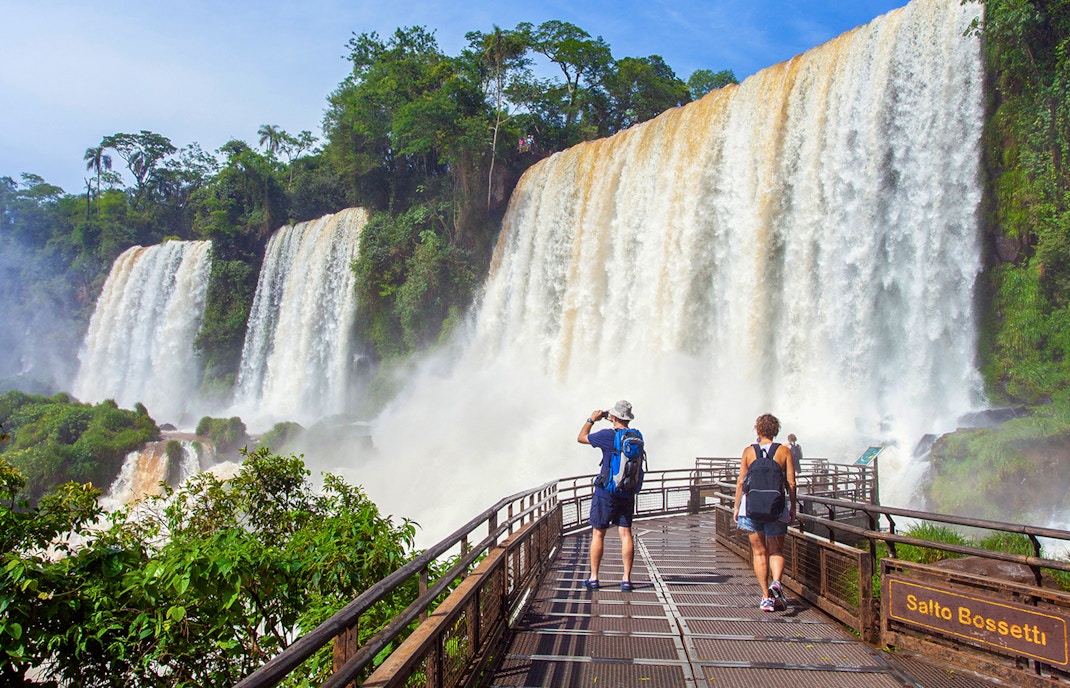
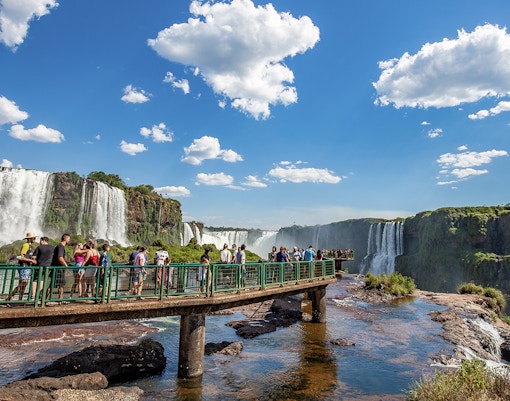
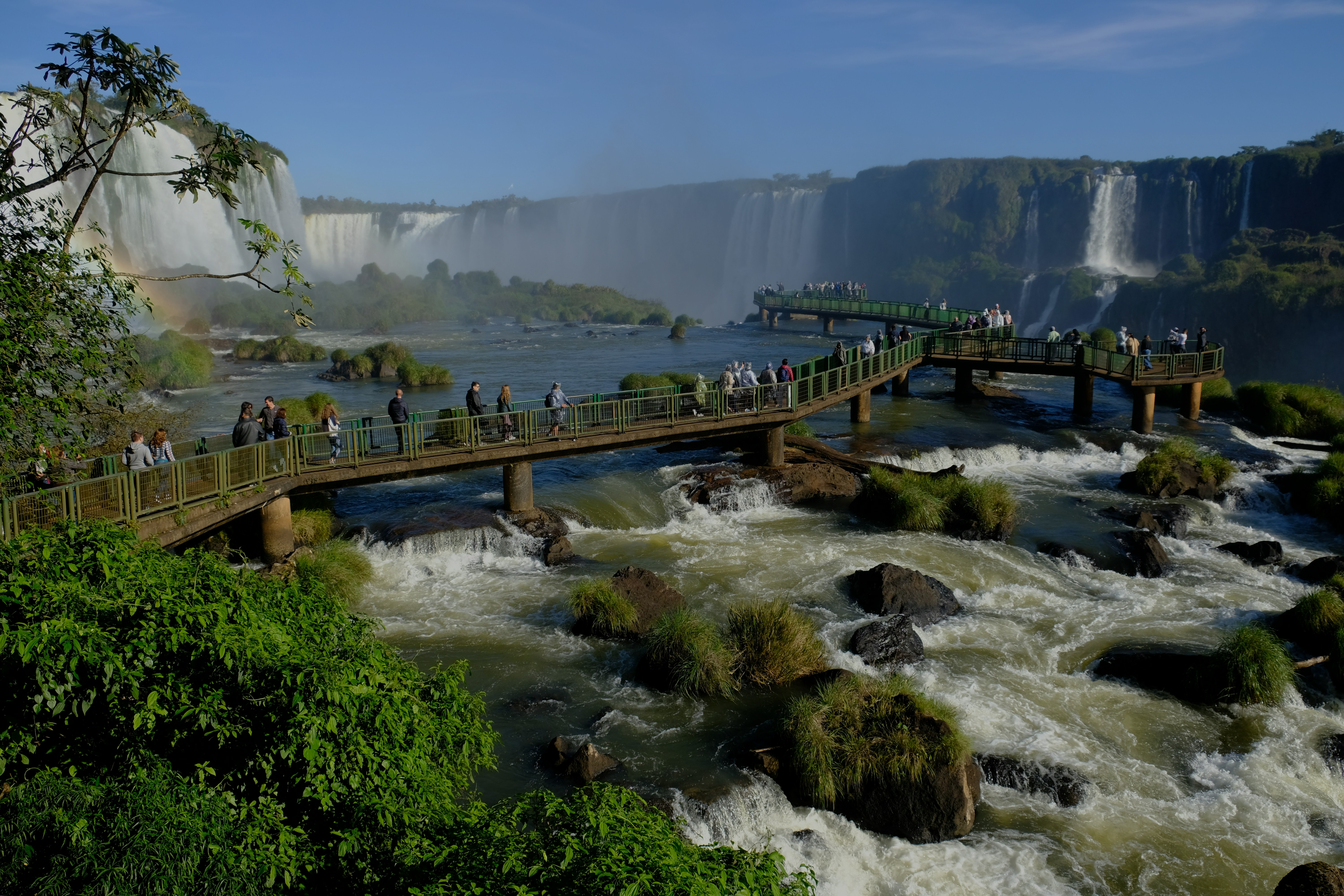
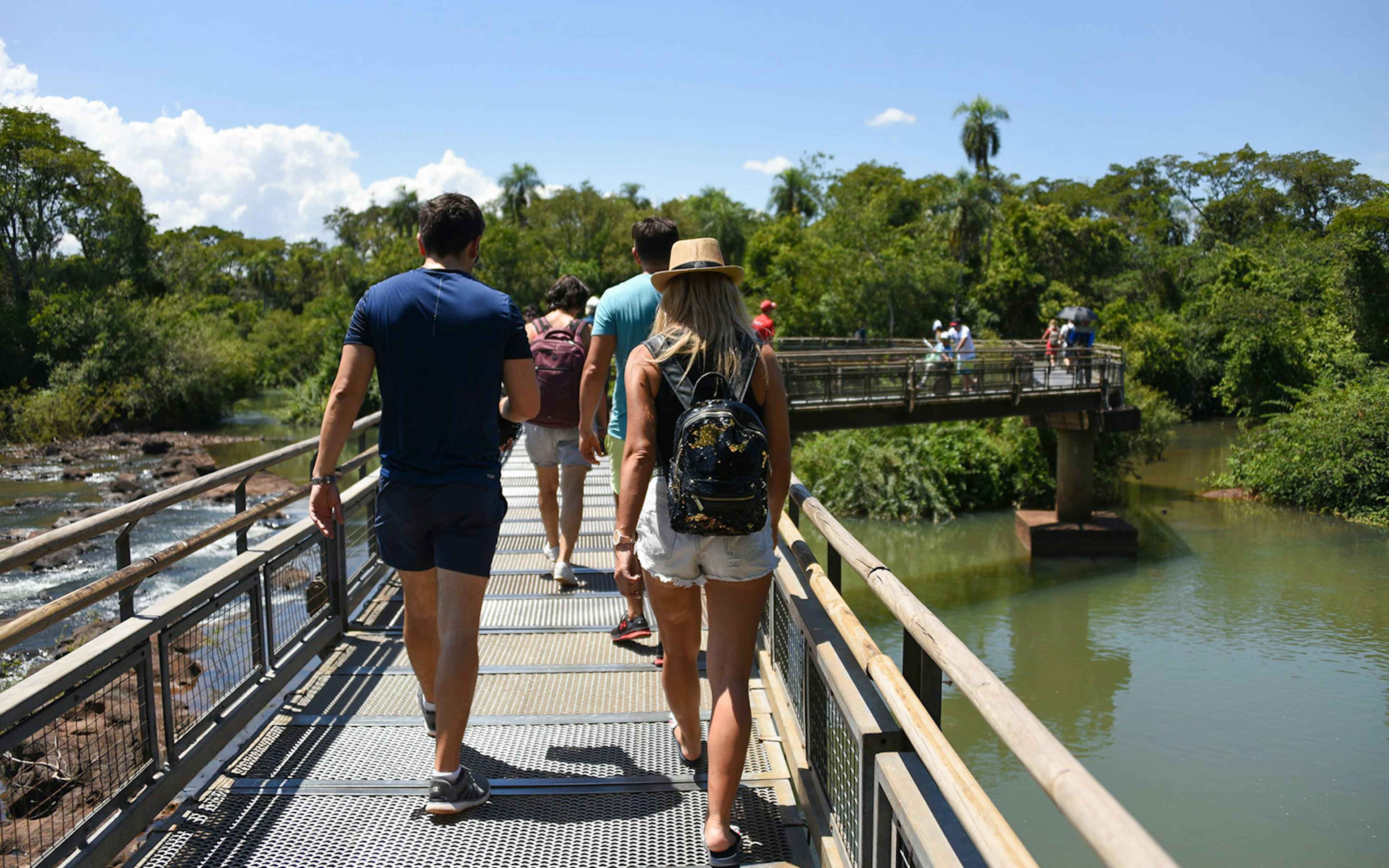
Tourists walking on a platform near Salto Bossetti at Iguazu Falls.
1/5

It’s not just one waterfall, it’s 275

Most people think they’re coming to see a waterfall. You’re actually stepping into a natural amphitheater of 275 separate cascades crashing over the cliffs in every direction. It's thunder, it's mist, it's madness. You feel it in your chest.

You can see it from two totally different countries

The Argentina side gets you up -close and sweaty, walking over the top of the falls and down into the spray. The Brazil side? That’s the panorama shot. You see the scale. Two views, two vibes. One trip. Totally worth crossing the border.

You can take a boat straight into the waterfall

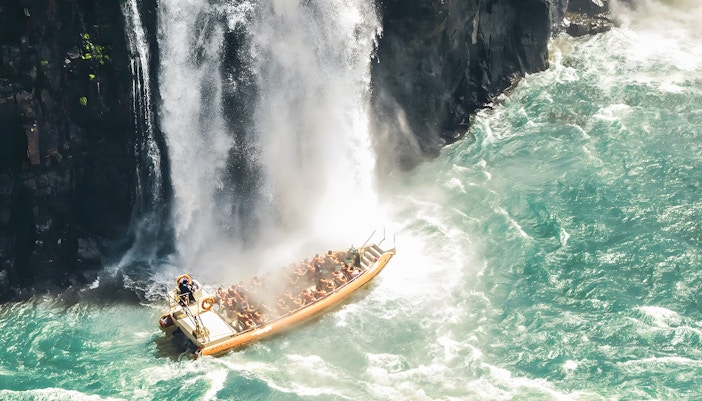
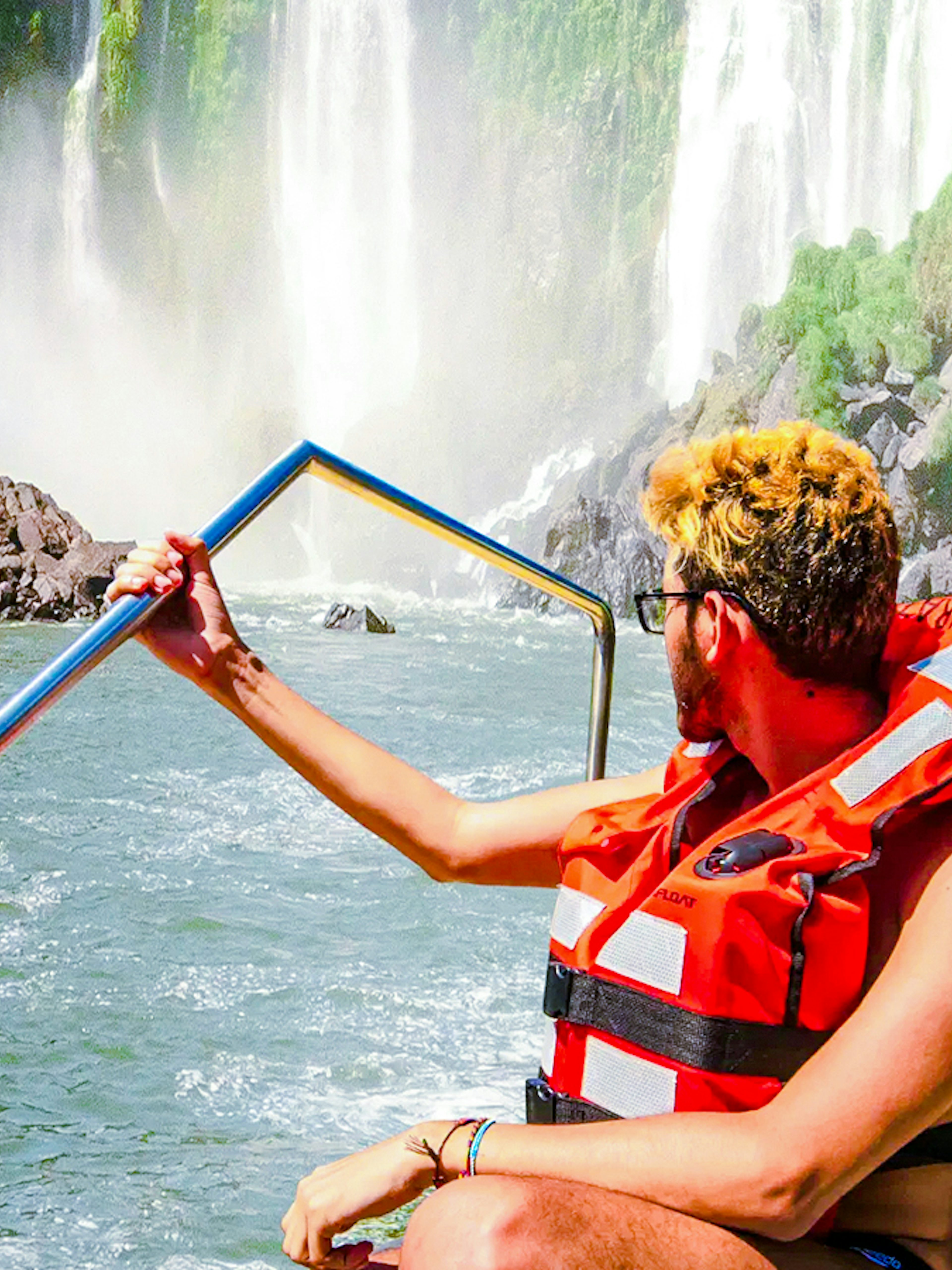
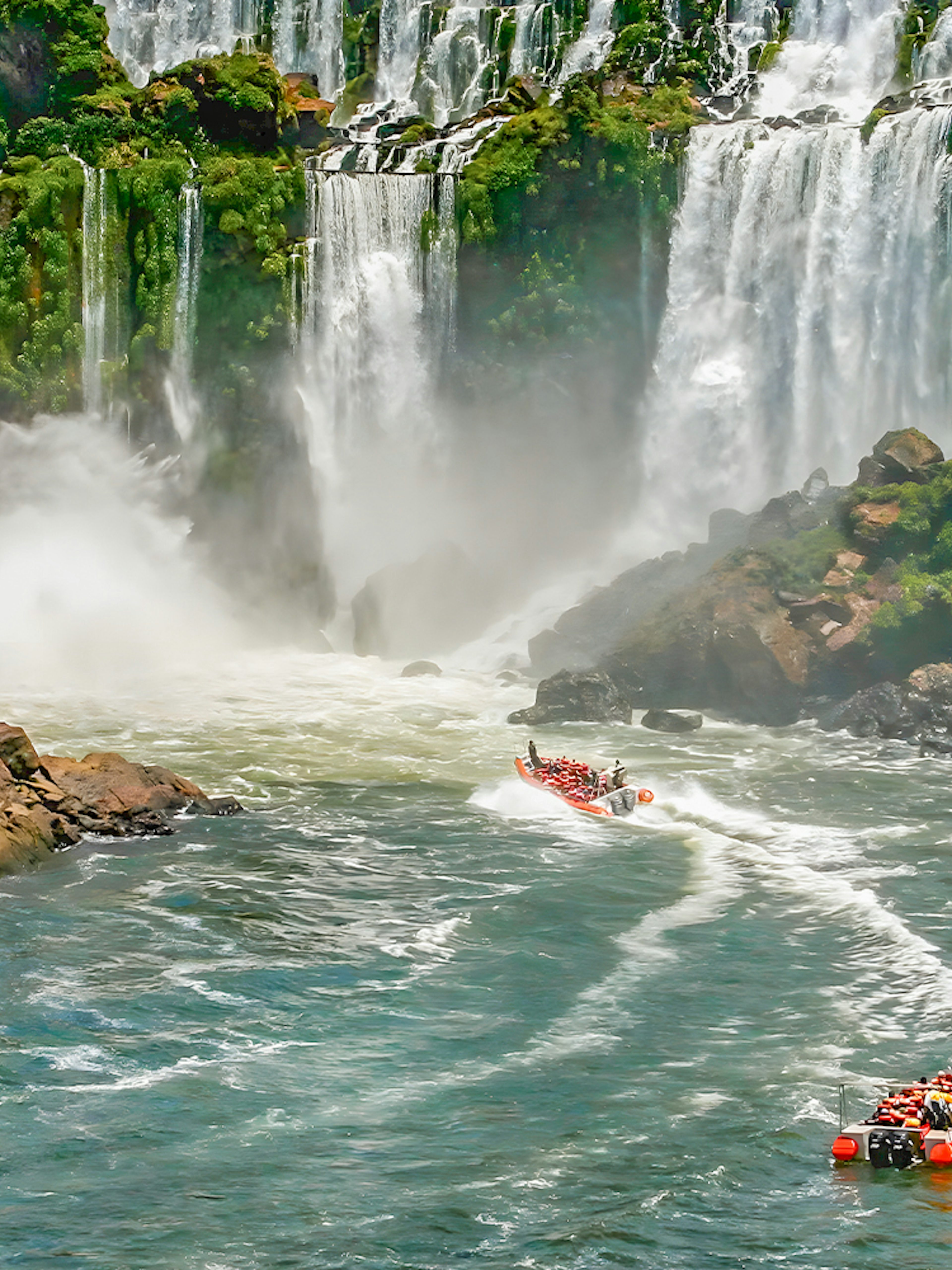
Not near. Into. The Gran Aventura boat ride literally launches into the base of the falls. You’ll be soaked, screaming, and grinning like a baby. It’s chaotic and so worth it.

You’ll stand right at the edge of Devil’s Throat

This isn’t a viewing deck kind of place. At Garganta del Diablo, you're basically face-to-face with a vertical drop where millions of gallons plunge right in front of you. The roar drowns everything. You go quiet without realizing it

The jungle isn’t a backdrop, it’s part of the show

The park is wild. Literally. Coatis, toucans, butterflies, howler monkeys, vines hanging over your path. The walkways cut through thick Atlantic rainforest. It’s not landscaped beauty. It’s messy, alive, and unfiltered.

Things to know before booking your Iguazú Falls tours and tickets

  • If you just want to enter the park, the Iguazú Falls entry tickets are ideal. You'll get access to the Argentine side, including the Upper Circuit, Lower Circuit, and Devil’s Throat. These trails offer different vantage points, from panoramic views above the falls to close-up encounters with the rushing cascades, with optional upgrades for guided tours of the Argentine falls.
  • If you prefer an expert-led experience and a budget-friendly option, Iguazu Falls guided tours (without entry tickets) run every day at 7am. These tours provide insights into the falls' history, geology, and wildlife and are available in English and Spanish. This option also includes hotel transfers for added convenience. An entry ticket to the Iguazú National Park must be purchased separately with this ticket.
  • The Iguazú Falls tour (Argentina/ Brazil) is a full-day experience with transport, entry ticket, and a bilingual guide. You can choose between the Argentine side, the Brazilian side, or the Gran Aventura upgrade with a boat ride and jungle safari.
  • The Argentinian Falls with tickets, transfers and boat ride is best if you’re after a fun, all-in-one day. It includes hotel transfers, park admission, and the Gran Aventura boat ride straight to the base of the falls. It’s a good pick for first-timers who want the full Argentine experience.
  • The Helicopter rides with transfers from Argentina is for travelers looking to splurge on a unique view. You’ll fly over the Brazilian side of the falls, with hotel pickup from Puerto Iguazú. Keep in mind this does not include park entry on either side.
  • Note: US, Canadian, and Australian citizens need a visa to enter Brazil, even for tourism. The fastest option is an eVisa, which covers stays up to 90 days and allows multiple entries. Apply online at least 15 days before your trip, as approval usually takes about 5 business days. Most European citizens also need a visa, while UK, South African, and New Zealand passport holders can enter visa-free for up to 90 days. Always verify the latest requirements and make sure you have a valid visa before crossing the border for your Iguazú Falls adventure.
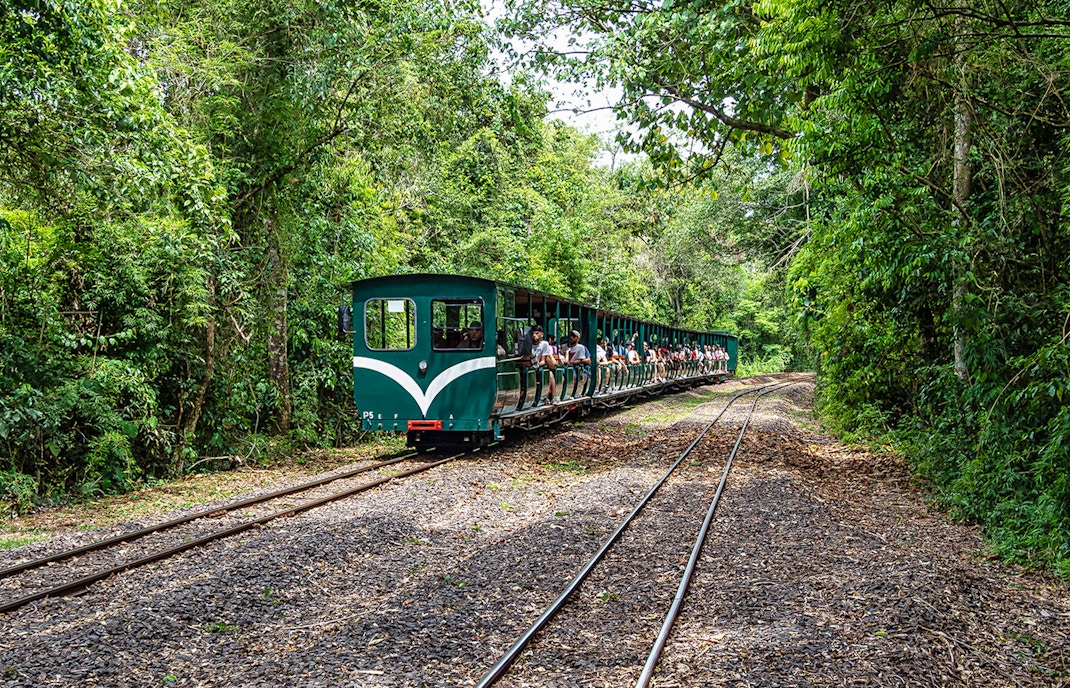
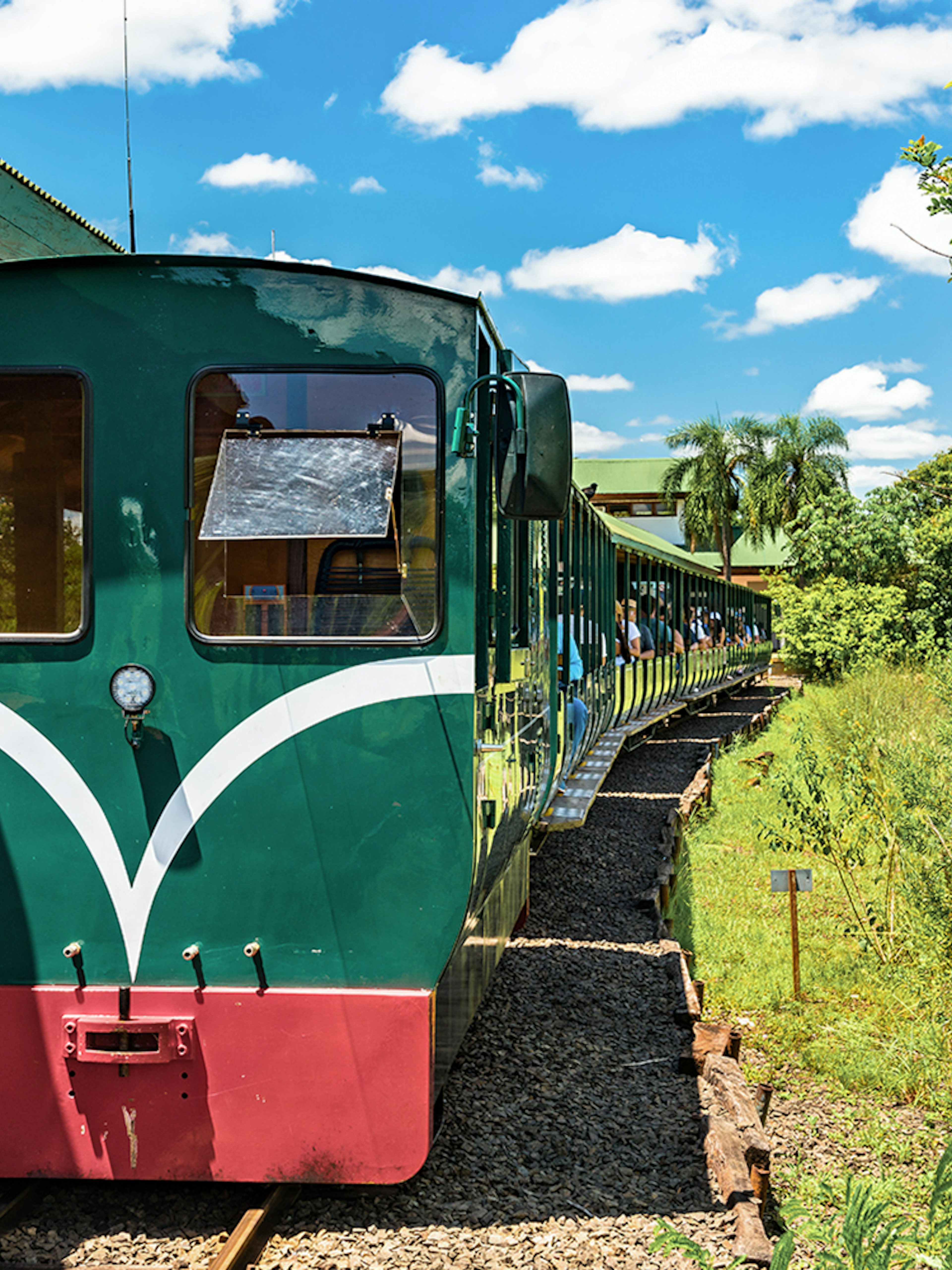
  • The eco-train, included in all tickets, connects the park entrance with key areas, including the Upper and Lower Circuits and Devil’s Throat. Trains run every 30 minutes, but seats fill up quickly. The last train to Devil’s Throat departs at 3:30pm, so plan accordingly to explore all trails without rushing.
This experience sells out for a reason

Iguazú Falls Argentina Tour with Boat Ride, Entry & Transfers, full park access, jungle safari, and a boat that takes you straight into the spray. Not many can say they did this.

Which Iguazu Falls tours and tickets are best for you?

Entry tickets

Duration: Full-day access

Includes: Entry to the Argentine side, access to Upper, Lower, and Devil’s Throat trails, eco-train ride

  • Who’s this for: Independent travelers, nature lovers, and anyone staying close to the park.
  • Go at your own pace through the Argentine side of Iguazú Falls. The entry ticket is great if you’re handling your own transport and don’t need a guide. You’ll get full access to the park’s walkways, viewpoints, and trails. You can also upgrade to include hotel transfers or a guided visit to the Argentine side of the falls.
  • Recommended option: Standard Iguazu Falls entry ticket

If you want a guided experience

Duration: 5–6 hours

Includes: Round-trip hotel transfers, bilingual guide, access to all trails, eco-train ride

Excludes: Park entry ticket (for some options)

  • Who’s this for: First-timers, families, and anyone who wants everything sorted for them.
  • These tours include hotel pickup, entry tickets, and a bilingual guide. You can choose between exploring the Argentine side, the Brazilian side, or both. Some options even include the Gran Aventura jungle and boat combo. Perfect if you don’t want to deal with logistics and want deeper context on the park’s history and biodiversity.
  • Note: If you book  From Puerto Iguazú: Argentinian Falls Tour with Transfers, make sure to buy your National Park ticket separately to avoid issues at the gate.

Recommended option

  • Iguazu Falls guided tours
  • Iguazú Falls tour (Argentina/ Brazil)
  • The Argentinian Falls with tickets, transfers and boat ride

Helicopter ride

Go for: Helicopter ride

Duration: 10-minute flight + transport time

Includes: Hotel pickup from Puerto Iguazú, helicopter ride over the Brazilian side of the falls

  • Who’s this for: Photographers, couples, or anyone looking for a once-in-a-lifetime aerial view.
  • This ride takes off from Brazil and flies you over the falls for a spectacular view you can’t get from the walkways. Hotel pickup from Puerto Iguazú is included, but park entry is not.
  • Important: This experience crosses into Brazil. US, Canadian, and Australian citizens need a visa to enter Brazil. The fastest way is to apply for an eVisa at brazil.vfsevisa.com. It usually takes 5 business days and is valid for 90 days with multiple entries.
  • Recommended option: From Puerto Iguazú: Helicopter Ride with Transfers from Argentina

Boat ride (Gran Aventura)

Duration: 6–7 hours

Includes: Entry to the park, hotel transfers, guided tour, 4x4 jungle ride, boat ride under the falls

  • Who’s this for: Adventure seekers and anyone who wants to get soaked under the falls.
  • This ticket includes a jungle ride by 4x4 and a high-speed boat ride right to the base of the waterfalls. It’s only available on the Argentine side, and comes with hotel pickup and park entry included. Wear quick-dry clothes, or you’ll get drenched.
  • Recommended tour: From Puerto Iguazú: Argentinian Falls with Tickets, Transfers and Boat Ride

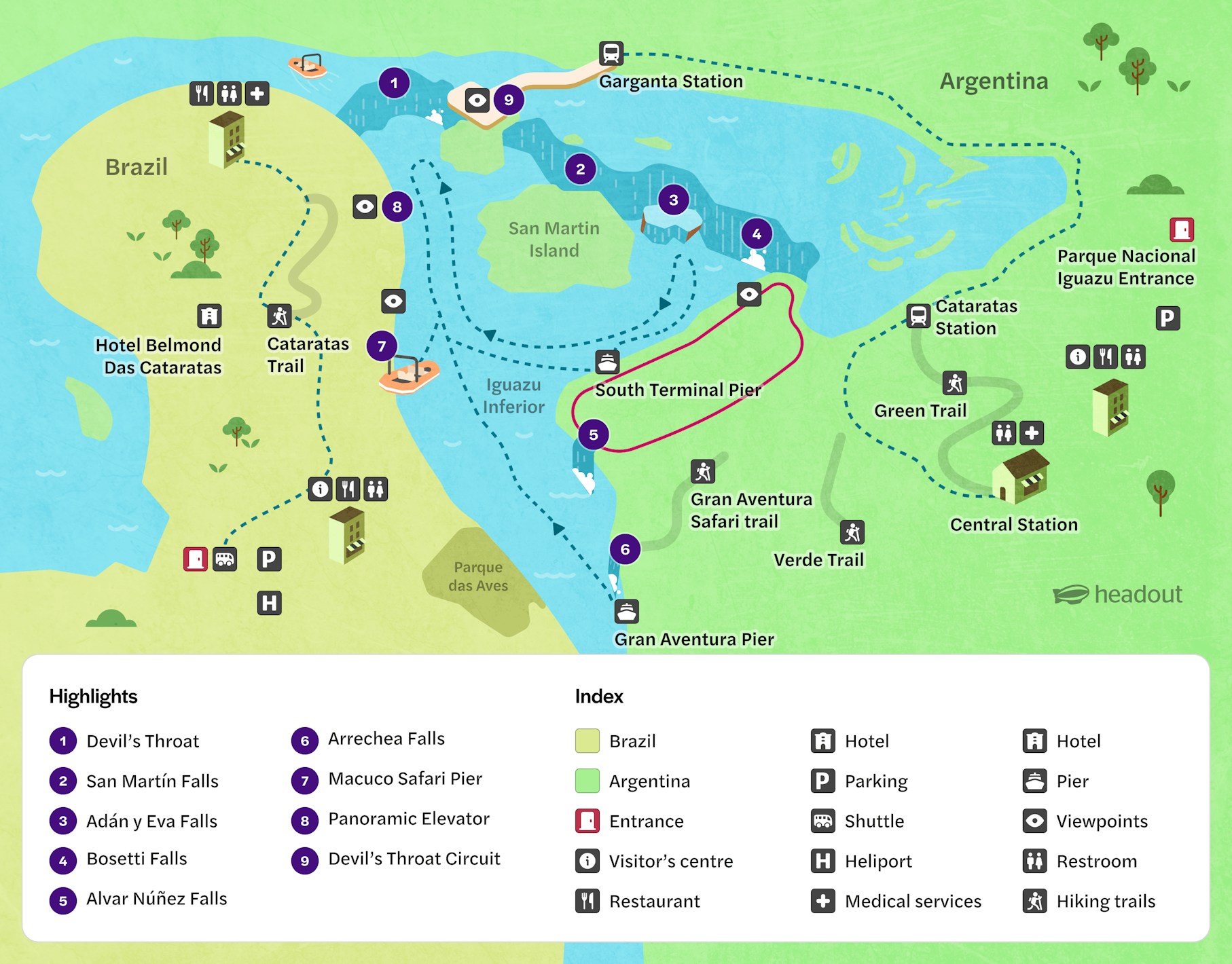
Mapping out Iguazu Falls: Brazil vs. Argentina

Before we get into the how of seeing Iguazu Falls, let’s get one thing straight—it’s massive. Think a natural border between Argentina and Brazil, sliced in half by this monstrous waterfall system, with trails, lookout points, and adventure rides scattered on both sides.

Now, you’ll have a map ( trust us, you’ll need one), and it’s going to look like a maze of green jungle, blue water, and winding paths. Here’s how to make sense of it all!

Iguazu Falls map

Brazil vs. Argentina

The Iguazu Falls throughout the year: When to go (and when to avoid)

Visitors viewing Iguazu Falls from a lookout point surrounded by lush greenery.

Winter (June - August)

Weather: Dry, sunny days with temperatures between 50°F to 78°F (10°C to 26°C)
Crowds:
Low, except for the last two weeks of July
Prices: Hotels often run discounts, except in late July

Winter is one of the most comfortable times to visit Iguazú. The cooler temperatures make hiking a breeze, and the waterfalls, while not at their peak, are still breathtaking. June and early July are golden months—you’ll have the trails mostly to yourself, and hotels offer great deals.

Best for: Travelers who prefer mild weather and fewer crowds (other than late July)

Panoramic view of Iguazu Falls with lush greenery and river, Argentina-Brazil border.
Visitors on observation platform at Iguazu Falls, Foz do Iguaçu, Brazil.

Know before you go to the Iguazu Falls

Special experiences: Iguazú beyond the seasons

Visitors walking on a bridge towards Iguazu Falls, surrounded by lush greenery.
Toucan perched on a branch in lush forest near Iguazu Falls.
Tourists walking on a platform near Salto Bossetti at Iguazu Falls.
Aerial view of Iguazu Falls from a helicopter ride, showcasing cascading waterfalls and lush greenery.
1/4

Moonlit Walks

On select nights, the park offers guided full-moon tours, where you can experience Devil’s Throat under silver moonlight. Book these in advance—they sell out quickly.

Wildlife Watching

The dry season (winter and fall) is the best time for spotting toucans, coatis, and capuchin monkeys, since they come closer to the trails.

Macuco Trail Escape

If you're visiting in peak season and want solitude, try the Macuco Trail—a lesser-known hike leading to a small, hidden waterfall where you can swim.

Tip

If you can avoid January, Semana Santa, and the last two weeks of July, you’re golden. April, May, September, and early June are often the best bets for great waterfalls, comfortable weather, and manageable crowds.

Crossing the border: Everything you need to know

You need your passport (and Maybe a visa)

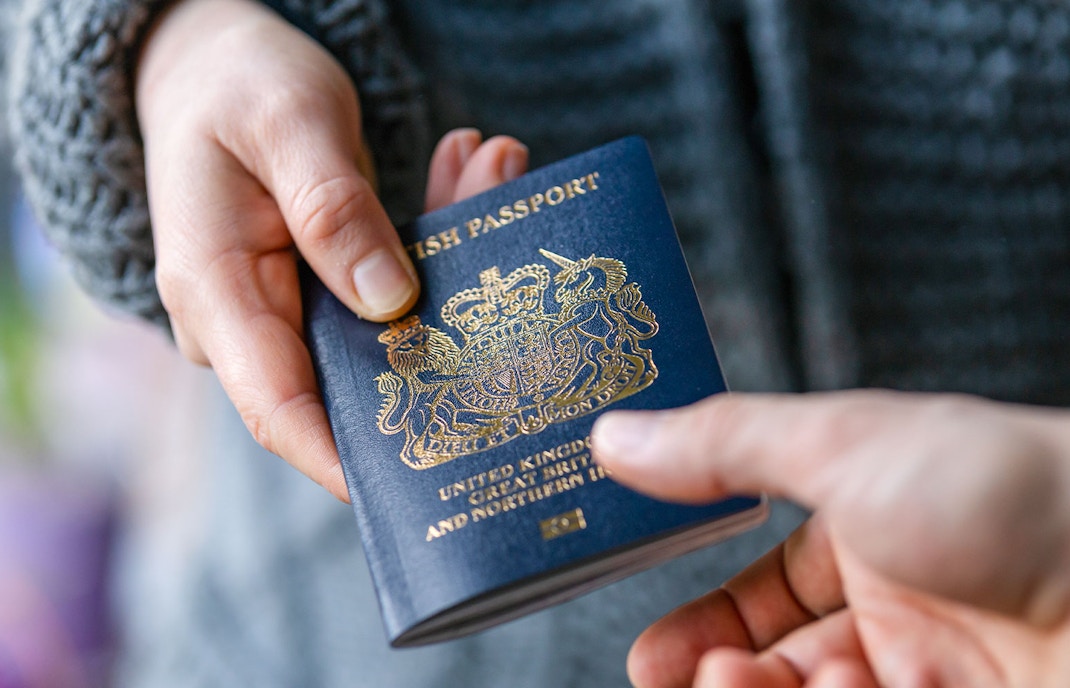
You’ll need a valid passport to cross between Argentina and Brazil. Even if you're only visiting for a few hours, both countries have immigration controls, and your passport will be checked each time.

Visa requirements vary depending on your nationality:

  • Mandated on April 10, 2025, the US, Canadian, and Australian citizens will need a visa to enter Brazil, even for short tourist stays. Brazil offers an electronic visa (eVisa) that allows stays up to 90 days and multiple entries. Apply online at brazil.vfsevisa.com and submit your passport, photo, and travel documents. Approval usually takes 5 business days, so apply at least two weeks before your trip.
  • If you're crossing into Brazil and planning to return to Argentina, make sure your Brazilian visa allows multiple entries.


How to get from one side to the other

By Taxi (Fastest & easiest)

  • The quickest way to cross the border. Expect a 45-minute ride, including immigration stops. Taxis are widely available on both sides, and most drivers are used to tourists doing the crossing. Negotiate a round-trip fare if you're planning to come back the same day.
  • Cost: Expect to pay around $15-$25 USD for the ride (one way).

By Bus (Cheapest, but slower)

  • Buses run frequently between Puerto Iguazú (Argentina) and Foz do Iguaçu (Brazil). Expect a 1.5-hour journey because the bus stops at immigration, and everyone needs to get off for passport control. The most popular company is Rio Uruguay departing every 20-30 minutes.
  • Cost: Around $2-$3 USD per ride. Super cheap, but not the most time-efficient option.

By Rental Car (Requires paperwork)

  • If you’ve rented a car, you need to tell the rental company you’re crossing the border. Expect additional insurance fees and paperwork. Immigration checks will take longer since they verify car documents too.

Things that can slow you down at the border

Border control can be busy

  • Weekends and holidays = longer wait times. If you can, avoid crossing between 10am - 2pm when most tourists make the trip.
  • Brazil’s immigration rate is usually faster than that of Argentina. Argentina tends to check bags more often, so be patient.

Changing currency

  • Argentina uses Argentine Pesos (ARS), Brazil uses Brazilian Real (BRL).
  • Don’t stress too much about exchanging money—most places near the falls accept USD, credit cards, or both currencies.

Wi-Fi & SIM cards won’t always work

  • Argentina and Brazil have different mobile networks. If you're using a local SIM, expect to lose service when you cross.
  • Wi-Fi is available at bus terminals, some taxis, and both national parks. If you rely on Uber in Brazil, make sure to request it before you leave WiFi zones.

Uber, public transport & getting around

Uber vs. Taxis

  • Brazil has Uber. It’s cheaper and more reliable than taxis.
  • Argentina doesn’t have Uber, only taxis. (Some drivers accept payment in USD, but ask before hopping in.)
  • Uber cannot take you across the border. If you’re relying on it, take an Uber to the border, cross on foot, then request another on the other side.

Local buses

  • Cheap but can be slow. If you're heading to the falls, get on a direct bus to the National Park entrance instead of stopping in town first.
  • Buses between Puerto Iguazú (Argentina) and Foz do Iguaçu (Brazil) run frequently, but crossing can take time.

General tips

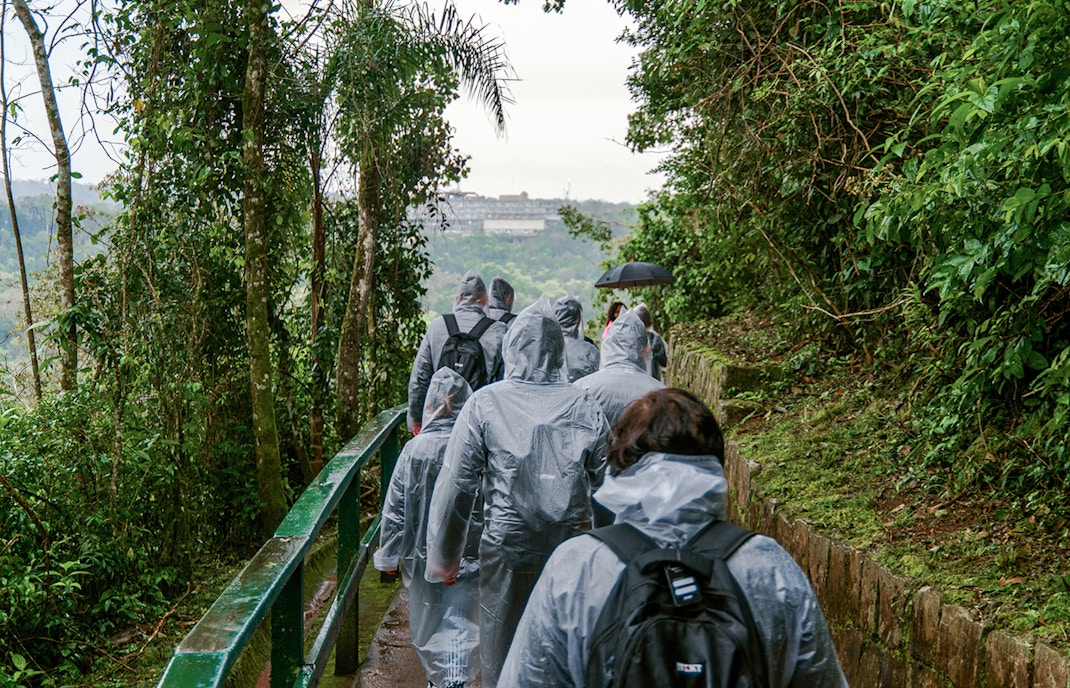
  • Expect to get wet: The mist from the falls is unavoidable, especially on the Lower Circuit and Devil’s Throat. Wear a rain jacket or poncho, and bring a waterproof cover for your phone and camera. If you’re doing the boat ride, be prepared to get completely soaked.
  • Wildlife is everywhere—don’t feed them: Coatis, monkeys, and toucans are common in the park, but coatis in particular can be aggressive when they smell food. Keep your snacks secured and never try to feed them—it’s dangerous for both you and the animals.
  • Bring cash for parking and food: Parking near the entrance costs AR$2,000 per day, and spots fill up quickly. Food inside the park is limited and overpriced, so bringing snacks is a smart move. If you’re planning a full-day visit, pack a refillable water bottle to stay hydrated.

Frequently asked question and answers about Iguazu Falls

While it is technically possible to visit both the Brazilian and Argentine sides of Iguazu Falls in the same day, it can be quite challenging due to border crossing logistics. The process involves dealing with immigration procedures and potential long queues, which can consume a significant amount of time. However, if you are determined to do so, booking a guided tour or using a transfer ticket can help streamline the process by providing separate taxis on each side, thus saving time at the border! What to do once you’re there? the most famous feature within Iguazu National Park is Garganta del Diablo (Devil's Throat), which is a massive U-shaped waterfall that plunges dramatically into a gorge. Visitors can also enjoy various trails that offer different viewpoints of the falls, along with activities like boat rides that provide an up-close experience with the cascading waters